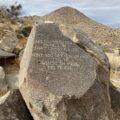
Wounded Knee Creek
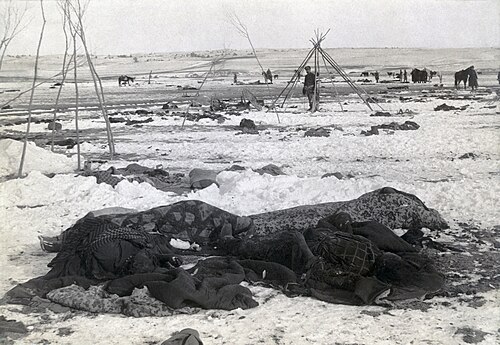
Places can be sacred for a number of reasons. Wounded Knee was made sacred after people suffered, bled, and were massacred. It was also made sacred when new generations took a stand and occupied Wounded Knee. When the AIM song filled the air with both resistance and the prayers of a People.
Geocaching may be the last reason to come here. It is not easy to visit and contemplate what happened. Writing a log that could convey the enormity of the events was beyond my capacity. It is a story for others to tell. And my words offer little.
Most recently, in September, we remembered our trip here after Trump and Hegseth refused to rescind the 25 Medals of Honor that were given to soldiers who participated in the massacre. Hegseth stated that their place in history is now secure.
That history includes a soldier who received a medal for “conspicuous bravery in rounding up and bringing to the skirmish line a stampeded pack mule.” Another soldier earned his medal for “voluntarily leaving his work as a cook.” On that day, soldiers followed women and children into the brush by the creek, shooting them point-blank. Babies were shot as they were nursing.
Perhaps Hegseth is right for reasons he cannot comprehend. Their place in history will never be forgotten. And his actions show just how far we still have to go as a nation to recognize what happened here.
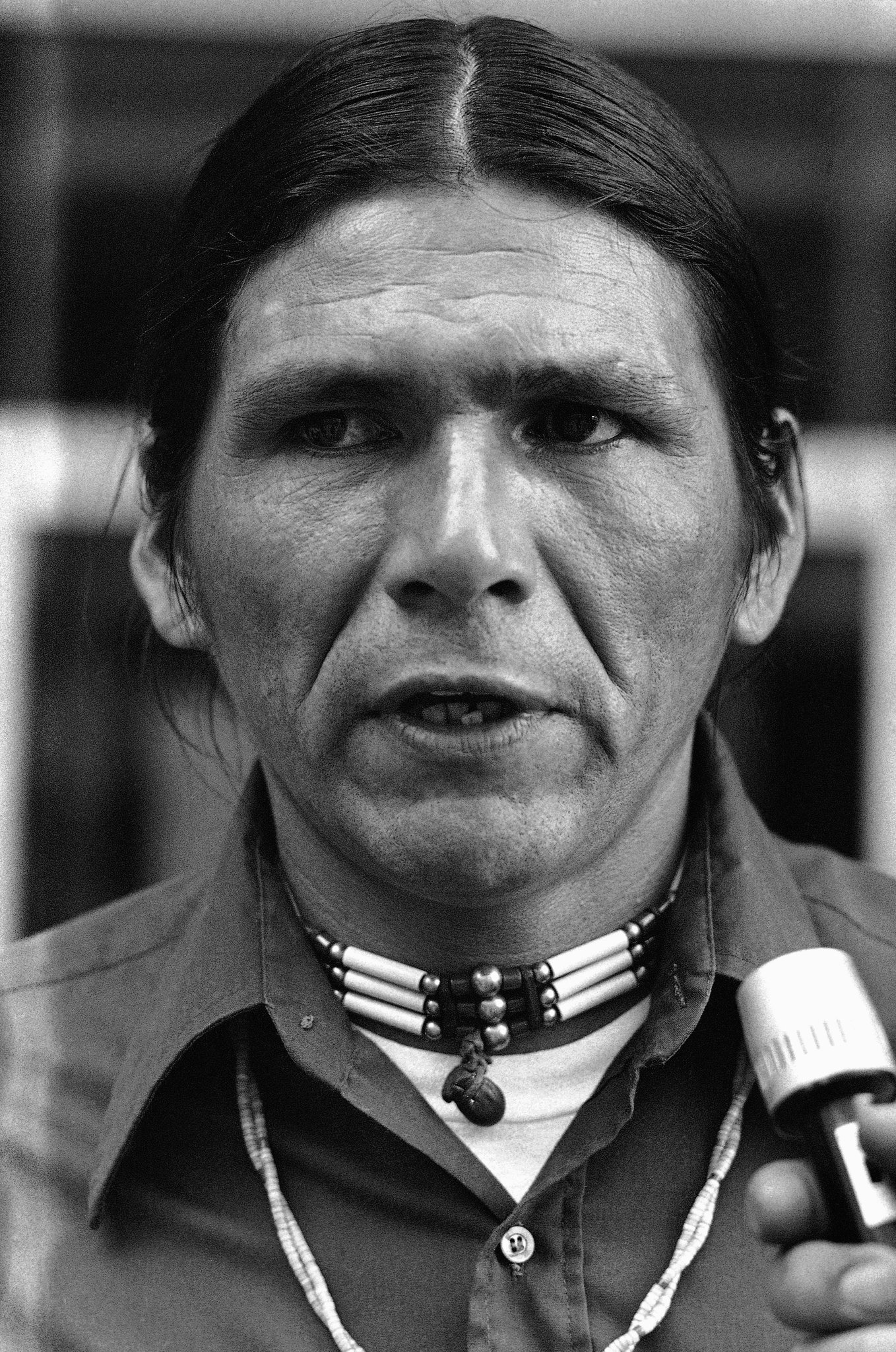 Although Dennis Banks passed before our visit, I can’t help but think of him. Dennis was among those who led the 1971 occupation. In 1978, he also conceived of the Longest Walk, across the country to Washington, DC, that responded to several threats to Native People. It was a sacred walk, led by one who carried the pipe. That kind of action was typical of much of what he did throughout his life. He led numerous sacred walks and runs, continued his activism, and made syrup and wild rice from the land where he lived.
I walked part of the Longest Walk, but mostly met Dennis because he was very close to one of my oldest friends, Jun Yasuda, a nun of the Japan Buddha Sangha.
Before he passed, his family sang the AIM song to him. Listen to Dennis singing it. If you want to know more about him, nothing else is needed.
My Log
We visited sacred places, including the Black Hills, which had been illegally taken from the Lakota in violation of the treaty. It was important to come here to pay our respects and to reflect on what Wounded Knee has meant. Images of the ghost dancers and others, dead in the snow, are seared into memory. Black Elk mourned for the way the hoop was broken. Vine DeLoria’s book said it all: Bury My Heart At Wounded Knee.
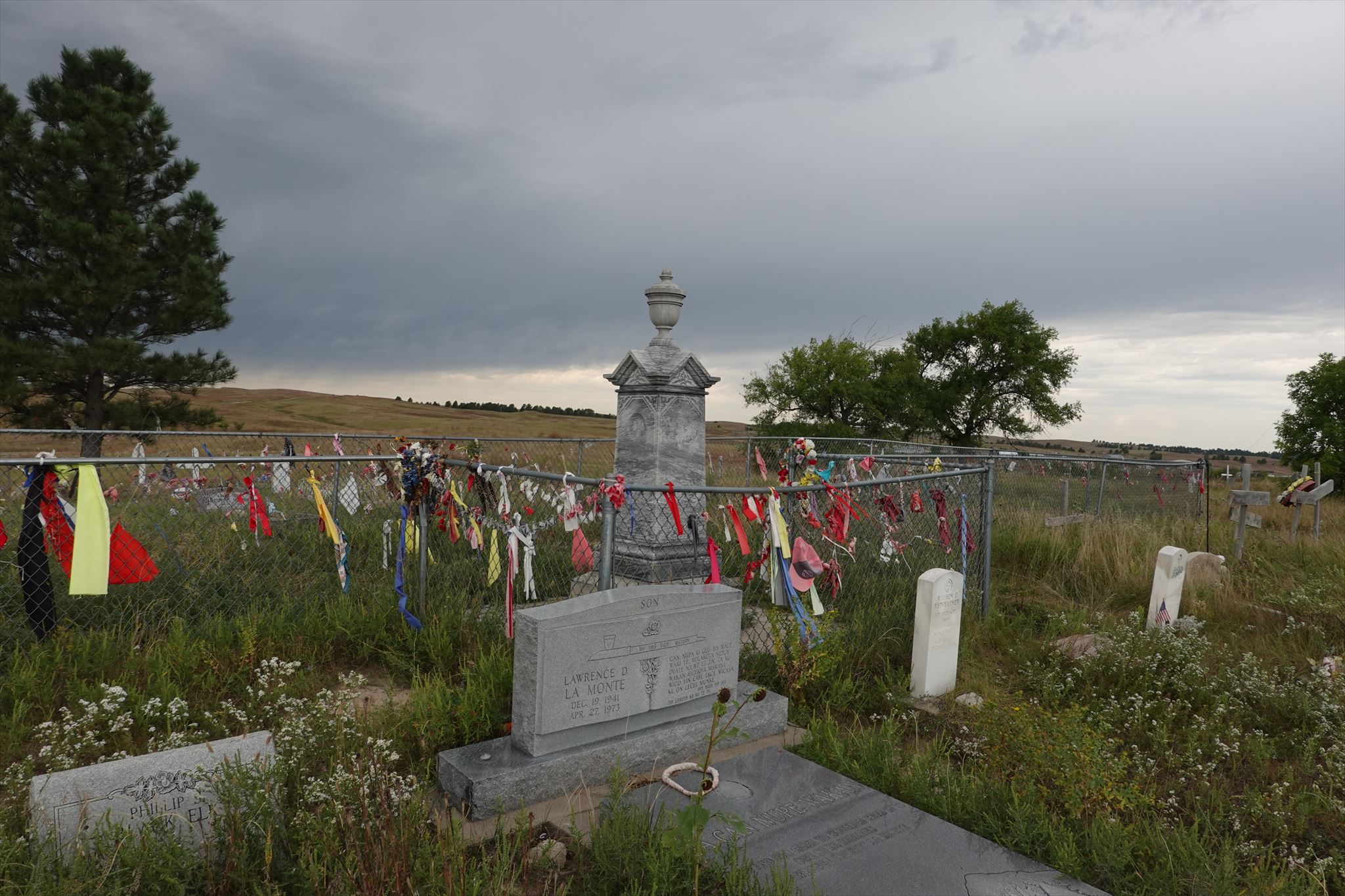
Tribal members encouraged us to visit the cemetery. It is a place of remembrance and much more. Something was killed here, from the collective soul of our nation to the stories of those buried in a mass grave — we will never know who laughed easily, who was a singer, and who might have just wanted to get out of the cold. Only their echoes remain. It is said that during the occupation, even some marshals heard voices of sorrow coming from the creek. That sorrow will always be here.
Although Congress expressed “deep regret” in 1990, the site is still referred to as a “battlefield.” The president casually tweets about it. More needs to be done. Earlier this year, the Remove the Stain Act was introduced to rescind 20 medals of honor that were awarded after the massacre.
* * *
At the cemetery, there is a grave that states “2000 and 500 came to Wounded Knee in 73, one still remains.” The 71-day occupation began after traditional Oglala asked AIM to help, as tribal chair Richard Wilson and his GOONs controlled Pine Ridge in a reign of terror. The government responded to the occupation with tanks and high-powered weapons.
It was a defining act that raised the need for justice at Pine Ridge. It became a rallying point that helped spark a revival of native pride, activism, and spirit. Leonard Crow Dog brought back the Ghost Dance, explaining that its inner meaning was to reclaim their own spirituality (read Lakota Woman by Mary Crow Dog). But even after the occupation ended, Pine Ridge remained at war — 60 traditionals or AIM supporters were killed over the next three years. Leonard Peltier remains in prison despite evidence that should have released him long ago. The poverty of the reservation remained. Everything changed, but so much more is left.
During the occupation, Anna Mae Aquash told Dennis Banks that she did not come to wash dishes; she came to fight. In the ensuing period, she was set up by the FBI. Native people killed her in 1975. There are unresolved issues, including the FBI’s full role. We stood by the memorial and remembered Anna.
I also thought about what was written at the cemetery, which one remained. There is one here who died during the occupation and should not be forgotten. But there is another man. Ray Robinson — a civil rights veteran — was killed during the occupation and taken up the creek where nobody would find him. In many ways, the sorrow of the creek remains. Ray deserves more. His family deserved more than silence.
Still, I learned a lot from Dennis Banks and often think of what he told me in the sweat lodge, that its meaning was to pray for the people. To put that into practice would be enough to define a life. I can’t think of a more profound call to do what spirit demands.
And I honored my Japanese Buddhist friend, Jun. She has walked these roads in winter to pray for peace, for justice. Dennis once said that if you want to know what it means to be an ally of the Native People, look to her.
* * *
Wounded Knee. Campke Opi Wakpala. After the occupation, the government came in with bulldozers. In some ways, it might look closer to what Big Foot knew.
It is a place of history and sorrow, and of continuing struggles for justice and rebirth at Pine Ridge.
Floyd Red Crow Westerman sang:
“You made me leave my home, my friend,
Think I’ll go back there again
Wounded Knee, I wanna be free.”
Hey yo hi yo, ho hey hi ya
Hey yo, ho hey ya hi yo
Way ya hi yo”