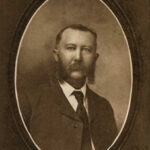
Anne Rice’s Eternal Legacy
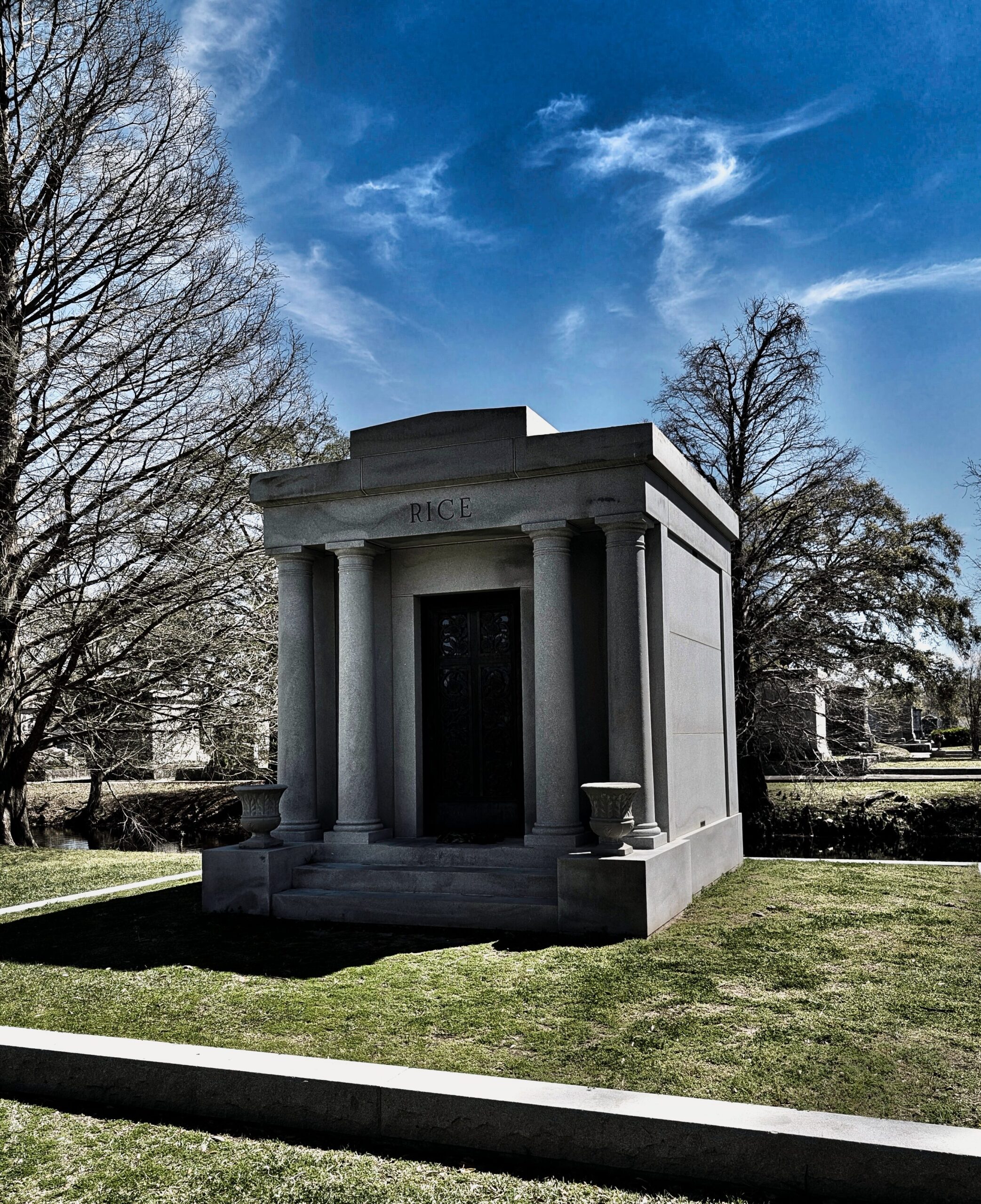
No visit to New Orleans would be complete without paying respects to Anne Rice (along with Stan). She defined the city in so any ways.
Anne was not merely a writer, but an architect of shadows and light. Her books ranged from The Interview With a Vampire and Witches to S&M and religious writings.. She is hard to pin down, and just when you think you understand her, something surprising will emerge.[1]It may be as simple as her name, Howard Allen Frances O’Brien, which was the other end from the Johnny Cash song, A Boy Named Sue. Rice explained that her mother “had the idea that … Continue reading
Rice touched upon the deepest level of our senses. She didn’t just describe a room; she detailed the velvet weight of the drapes, the scent of old gardenias, and the specific quality of the moonlight hitting a marble floor. Anne conjured a humid midnight air, and heard the frantic, rhythmic beating of a heart that refuses to stop. She understood the cry of the outsider — the vampire, the witch, the castaway — and she gave them a voice that was both philosophical and predatory. She showed that the true heart of darkness is not found in the absence of light, but in an unbearable, eternal consciousness, where vampires reside.
She was not afraid to raise questions. What does it mean to be good in a world of demons? Can there be beauty without the cycles of pain to define it?
Her vampires were “failed saints”—beings who spend eternity agonizing over the existence of God and the nature of the soul. They asked, “How do I live in a world without God?” Her books about Christ asked, “How did God live in a world of men?” The title of the geocache was right. Anne reached for an eternal legacy.
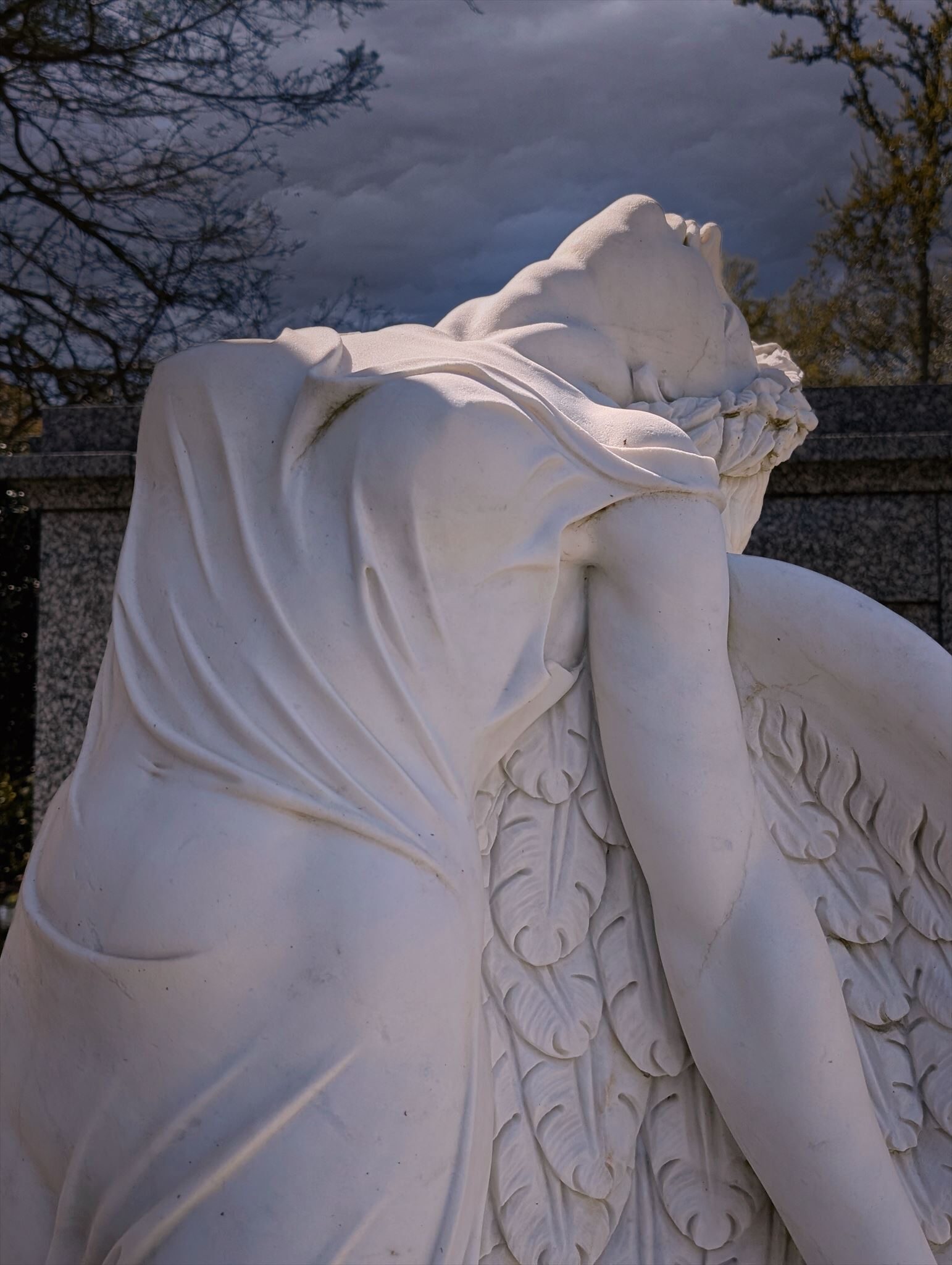
Stan Rice preceded her and is next to her now. He was a poet and an artist, who was grounded in this world. While Anne wrote about the “Dark Gift” of immortality, Stan’s work was firmly rooted in the physicality of the present. He found justification for life within life itself, rather than in heaven or hell. His art was done on his own terms; he did not sell his paintings, he did not compromise his poetry.
Should you visit, leave a flower for Anne, but read Stan’s words that are found there..
My Log
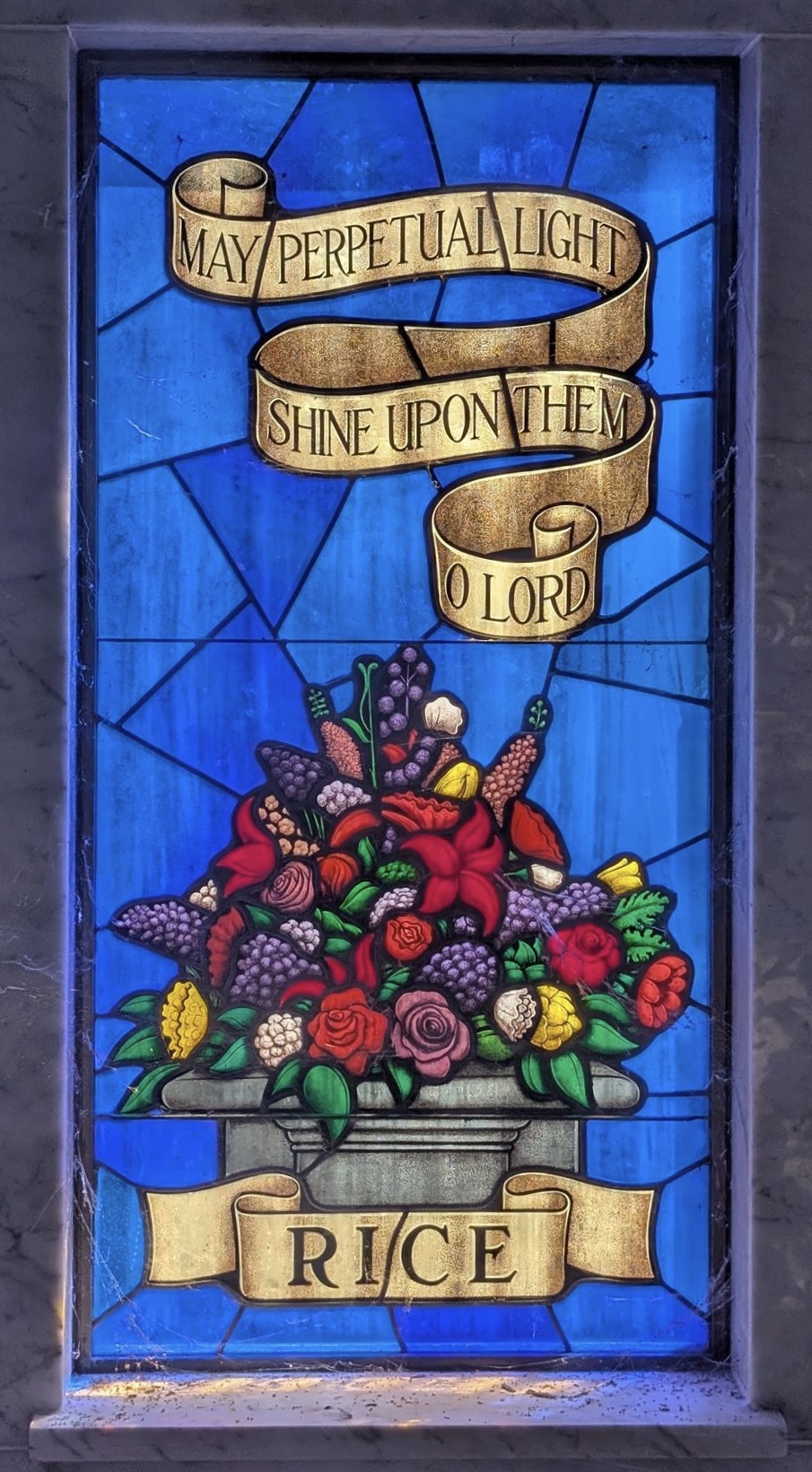
It is little wonder that the cemeteries close on the early side in these parts. There you are. Even on a clear day the darkness can suddenly take hold. Things may seem quiet. Too quiet. Time is lost. Has it been an hour or a day? And you start to wonder if you remembered to bring the bottle of Bud Flout’s All Purpose Protectorant. Never explore mysterious places without it. Or at least do you have a crucifix and a bit of garlic? It really depends on who — or what — you might find.
Leaving that aside, we came here for Anne. She was so much more than vampires or witches.
Anne. There were so many aspects of her that it’s sometimes hard to remember that she was not one of her characters. Or perhaps she was. Stan and Lestat informed each other: “Lestat was inspired by Stan, and then I became Lestat.”
The first Interview brought me into the world of vampires. It was a book to read well into the night, in a rustic cabin full of shadows, darkness, and the wind blowing against a shutter. It remains my second favorite vampire book, behind George Martin’s Fevre Dream.
By the time Lestat was headlining a rock band I thought Rice had gotten carried away with herself. Perhaps that stemmed from Lestat’s choice of music. If he had been a different type of musical/poetic genius — like Bob Dylan or Leonard Cohen — I might have had a greater appreciation. But there is no reason why a vampire would not become a rock star. With lifetimes of practice, wealth and psychic ability, anything is possible.
Eventually I realized Anne was right. Lestat had his own way of dealing with his demons.
The Beauty series and the Rampling books were written before Shades of Grey made such subjects more mainstream. Some find her writing life changing, but there are only so many ways to write about the erotica she presented. Some of the power dynamics in Eden (or the age of Belinda) raise questions about the limits of consent that might have been better left in Roquelaure’s fairytale castle. Yet, Rice found it important to challenge social boundaries.
She described her erotic wring as a political statement. It was that and more. We are again having to fight for the things we thought had been won — including her books.
By the time I might have read the Mayfair books I was missing the simpler days and it seemed like it was going to be too much work, although my wife is a fan. When we were in New Orleans we were shown a painting that Anne used as an inspiration for Rowan. It has the dark foreboding quality that was evident in her writings.
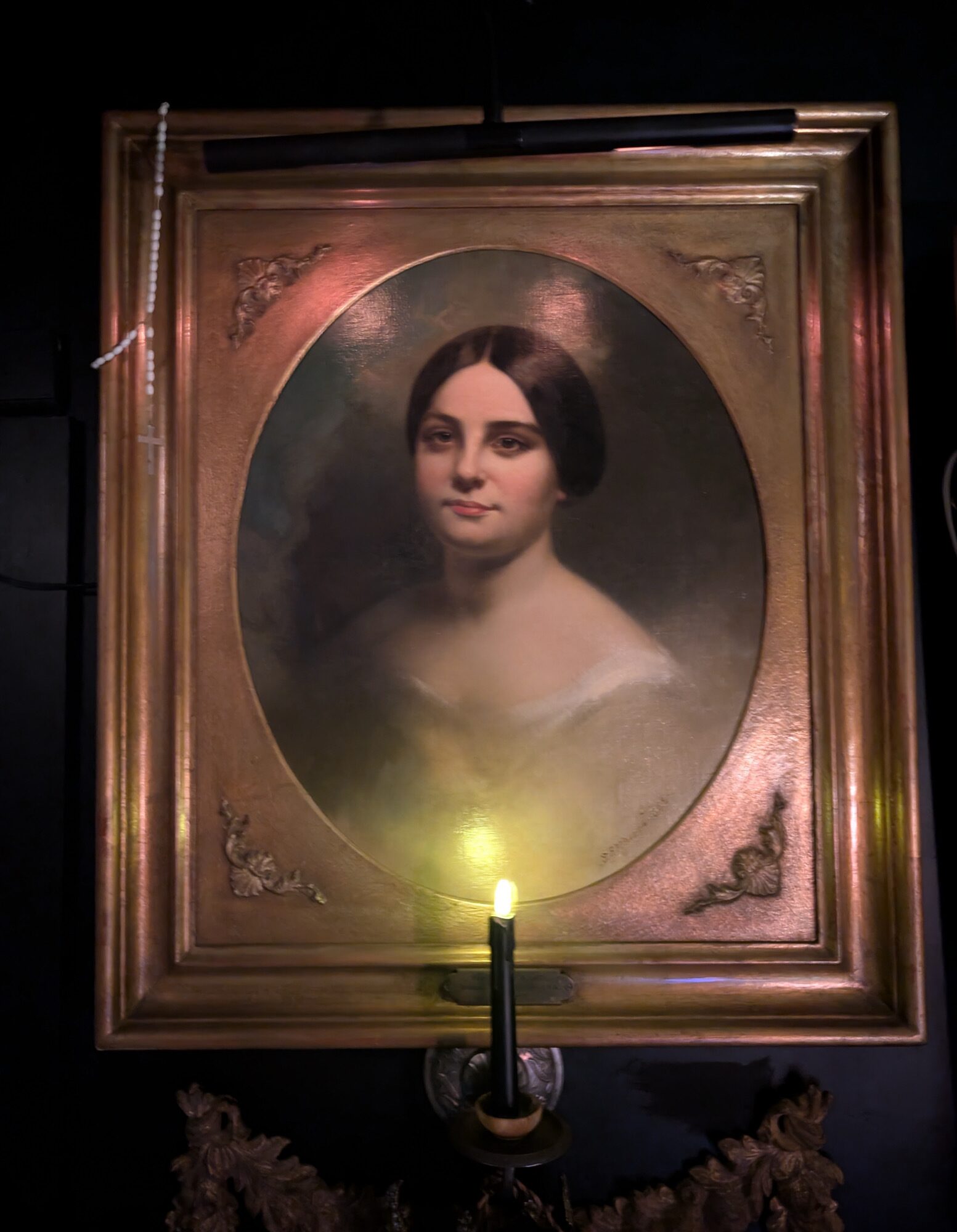
Anne, though, was not limited by the dark world she created. She also wrote about Christ. Her books about Christ embraced both the miraculous and the human, leaving the story before its ultimate conclusion. She eventually left the church but had an underlying faith in God, love and redemption. The Christian mystic, mother Julian of Norwich, had a vision that all would be well again. Perhaps Anne saw something similar.
As we were leaving, walking past the graves of this area, I thought of the Senegalese poet Birago Diop, whose words were put to music by Sweet Honey in the Rock. It seemed written for a New Orleans cemetery:
Those who have died have never, never left.
The dead are not under the earth.
They are in the rustling trees.
They are in the groaning woods.
They are in the crying grass.
They are in the moaning rocks.
The dead are not under the earth.
Perhaps one reason for Ann’s popularity is that she heard a voice in the rustling trees and groaning rocks and followed it wherever it might lead.
Anne of course is not alone here. It was the inscriptions here that were most surprising, taking me further into works that I might have otherwise missed. It has been suggested that Stan did not get full recognition because she was so popular. That is at least true for me. I need to read more of his work when there is time at home.
The inscriptions speak of grief and the death of their daughter. The Psalm from his book False Prophets was published after Stan’s death. He said the book broke every rule, that alone might be its ultimate recommendation.
Take hold of each and savor it
The voice lies down beside you.
The mid-day richness forecasts your path
To the deadline of future death.
When you are lonely. listen
Selah.
Visit Anne, but spend time with Stan’s words. The two never got over their daughter who also lies here. What he learned from that is with repeating. We all have something to mourn or remember those lost to us. If not now, it is inevitable. . . . .
03/19/202
Notes
| ↑1 | It may be as simple as her name, Howard Allen Frances O’Brien, which was the other end from the Johnny Cash song, A Boy Named Sue. Rice explained that her mother “had the idea that naming a woman Howard was going to give that woman an unusual advantage in the world.” She changed her name to Anne in first grade. |
|---|