Grievous Angel
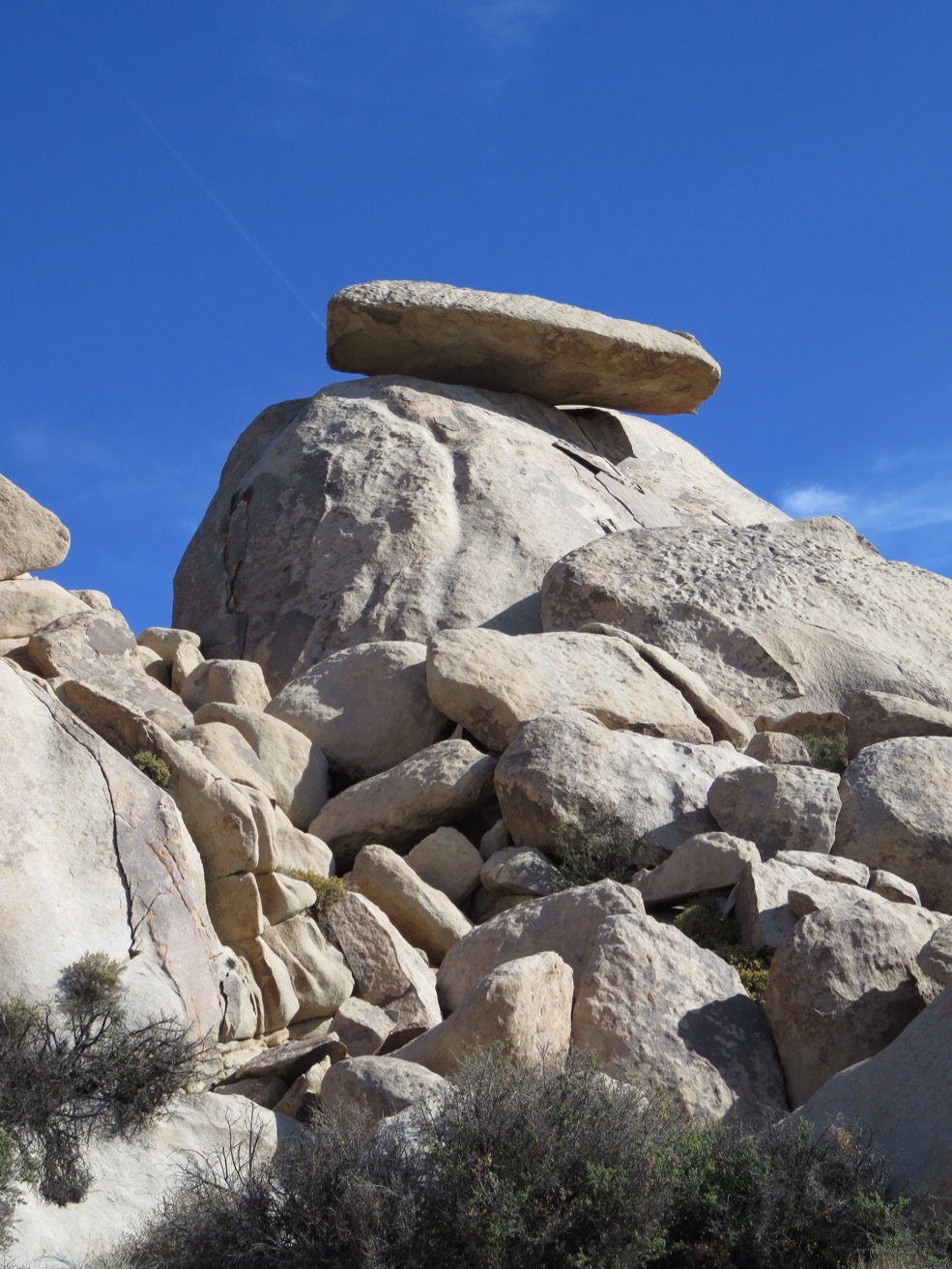 Joshua Tree has enough legends so that one could spend a lifetime chronicling them. There are stories of old mines, hermits, flying saucers and aliens, cryptids and skinwalkers. Perhaps it is the trees and rocks, the heat of the desert, or the dark skies with countless stars. Things take on different perspectives and assume new importance.
Gram Parsons was one of those who came to Joshua Tree. He had come to California with the ambition to merge country with rock. That it was audacious at the time shows how much he eventually succeeded, even if his record sales did not reflect his influence.
The first time I heard his music, I wondered who this guy was, writing songs that evoked a different era, one that was timeless. He seemed poised to follow a unique destiny.
It’s a hard way to find out that trouble is real
In a far away city, with a far away feel
But it makes me feel better each time it begins
Callin’ me home, hickory wind
Parsons set about making what he called Cosmic American Music. He was very close to Keith Richards and influenced the Stones’ ventures into country songs.
Although he was not a full member of the band, he led the Byrds into country music with Sweetheart of the Rodeo. He left after refusing to play in apartheid South Africa.
He then formed the Flying Burrito Brothers. They were given Wild Horses before the Stones recorded their own version. Although the band received critical acclaim, they did not find a widespread audience. I listened because a DJ, B. Mitchell Reed, often featured Gram on a free-form music station. All it took was one hearing.
After leaving the Burritos, Parsons recorded two albums with Emmy Lou Harris (with help from musicians including James Burton and Linda Ronstadt). The second album was released posthumously as Grievous Angel.
Another young man safely strummedHis silver string guitarAnd he played to people everywhereSome say he was a starBut he was just a country boyHis simple songs confessAnd the music he had in himSo very few possess
Emmy Lou Harris tried to get him off drugs, but by then it was too late. He came to Joshua Tree to find sanctuary. He took hallucinogens, searched the night sky for UFOs, and sat by Cap Rock.
In September 1973, things caught up with him. Parsons overdosed on a toxic combination of morphine and alcohol. His companions tried to revive him, but he was pronounced dead upon arrival at the hospital. He was just 26 years old.
The Legend of Cap Rock
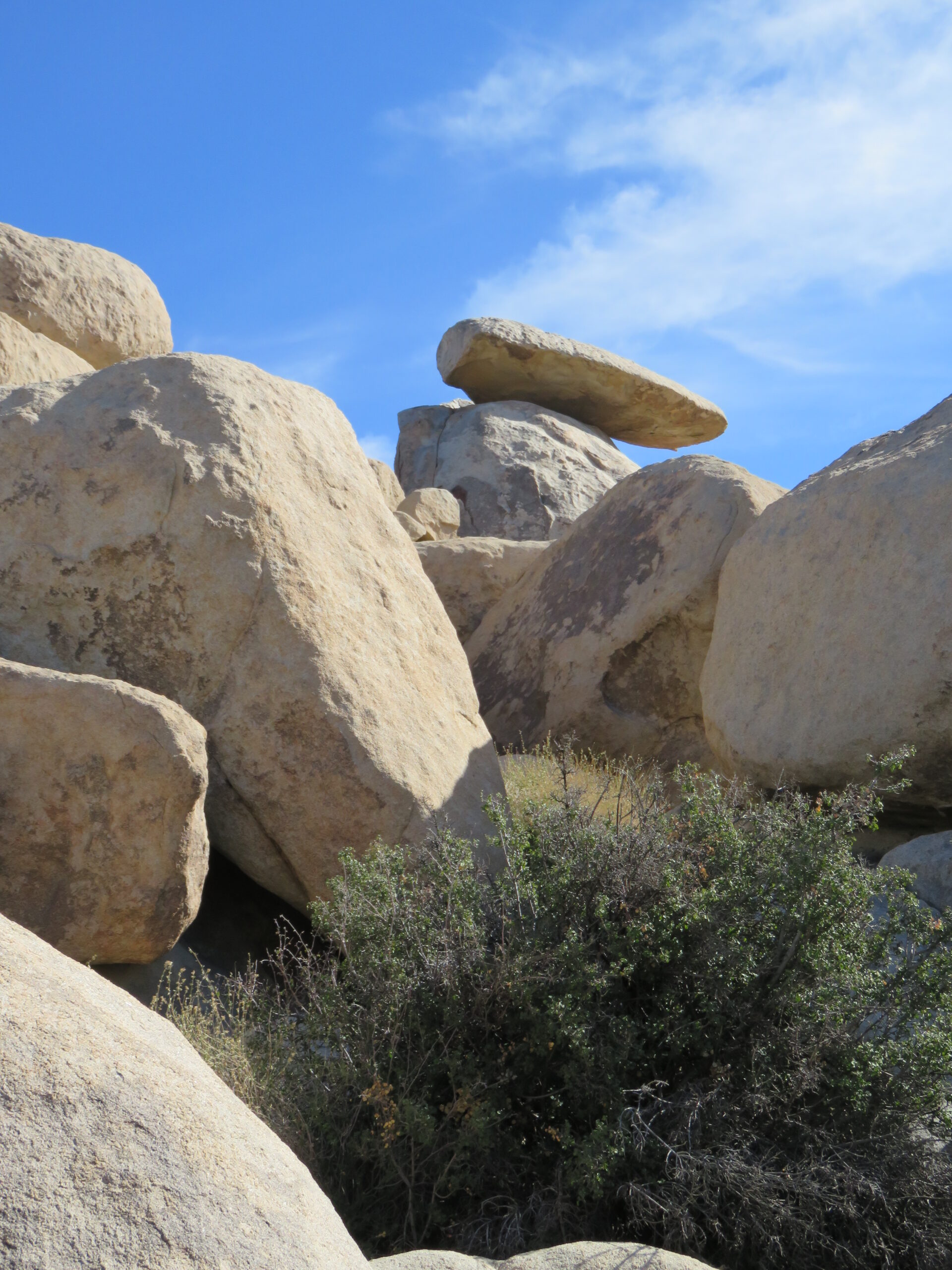 Had the story ended there, Gram Parsons would still be remembered as a tragic, enormously influential musical architect. But what happened after his death elevated him into the realm of modern folklore.
Months prior, while attending the funeral of the Byrds’ guitarist Clarence White, Parsons made a pact with Phil Kaufman, a friend and road manager. They agreed that they did not want a traditional burial. The survivor would take the other’s body to Joshua Tree, have a final drink with it, and cremate it out in the desert.
After Gram died, his family arranged to have the body shipped back to Louisiana for a private funeral — a move designed primarily to secure legal control over the estate. Kaufman sprang into action.
On September 20, Kaufman and a friend borrowed a dented 1953 Cadillac hearse, loaded it with beer and Jack Daniel’s. They drove to the airport and convinced the cargo workers to let them take the body.
Kaufman signed the paperwork as “Jeremy Nobody.” A nearby airport patrolman even helped them load the heavy casket into the back of the hearse after they accidentally side-swiped a hangar wall on the way out.
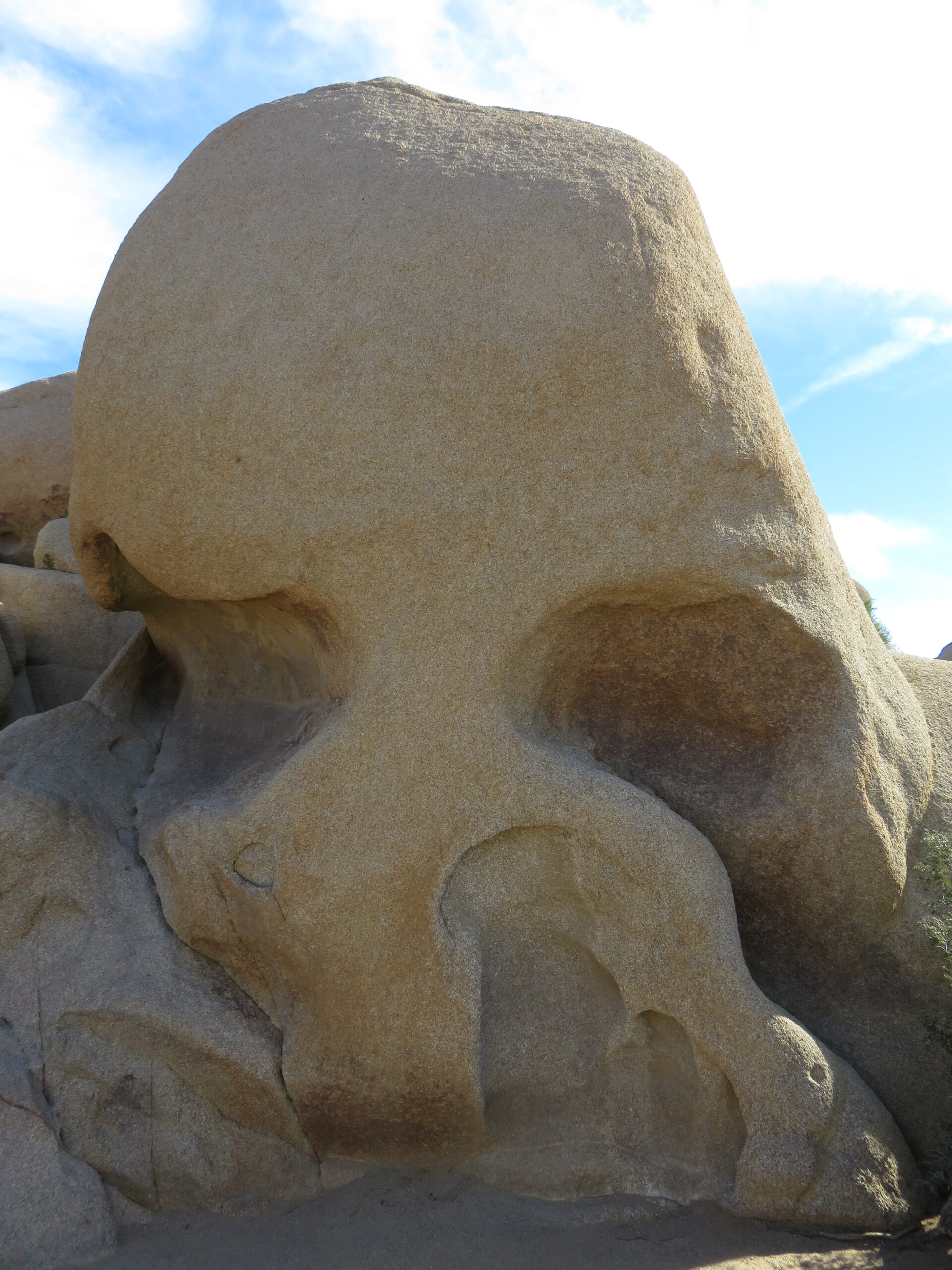 The duo drove back to the high desert. A quarter mile from Cap Rock, they dragged the heavy coffin out into the sand and opened it. Kaufman saw headlights in the distance and quickly poured five gallons of high-test gasoline directly onto Parsons’ body and tossed a lit match. A massive fireball lit up the sky as the pair fled the scene.
The burn was incomplete because standard gasoline fires cannot reach the intense temperatures required for a proper cremation. Rangers arrived to find about 35 pounds of charred remains left in the desert sand.
The pair laid low for a few weeks but eventually turned themselves in. At that time, there was no criminal statute against stealing a corpse. Because a dead body technically held no intrinsic financial value, the state couldn’t charge them with a serious crime.
Instead, they pleaded guilty to a misdemeanor theft for stealing the coffin and public nuisance for the burning. They paid a small fine, for which a benefit show covered the cost. Parsons’ remains were taken to Louisiana and buried with a headstone marking “God’s Own Singer.”
He became even more famous in death. People began coming to Cap Rock to inscribe a tribute or leave trinkets to honor Parsons. In 2004, a virtual geocache asked visitors to email the cache owner with some of the tributes inscribed there. The Park Service, however, was under a mandate to protect the area. They periodically cleaned up the site, but others soon came to pay their respects to Gram.
When I came to Cap Rock, there was a single rock stating RIP. Others later found nothing, although people continued to log the geocache as being found, even after it was archived and no longer listed.
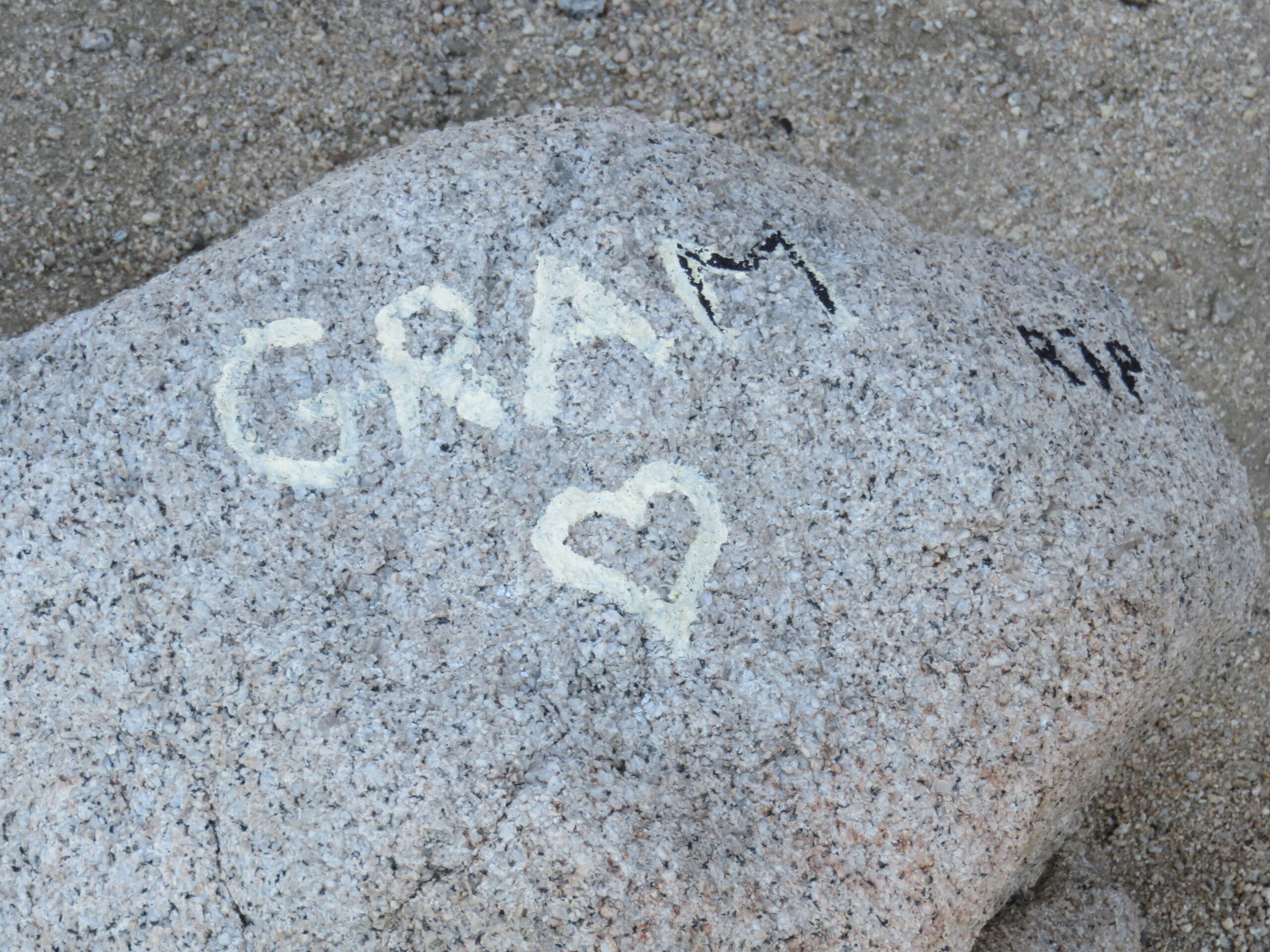
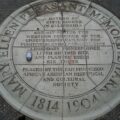
The Park Service always had an uneasy relationship with Parsons’s fans. They were willing to talk to people about Gram, but did not want to encourage people to leave items. In 2013, they finally installed a temporary marker. Due to its popularity, they agreed to make it an annual tribute.
The marker featured a quote from Keith Richards:
“I think he was just getting into his stride when he died. His actual output – the number of records he made and sold – was minimal. But his effect on country music is enormous. This is why we’re talking about him now. But we can’t know what its full impact could have been.”
In 2026, the Rock Hall of Fame will induct Parsons in recognition of his enduring legacy.
My Log
I could almost feel a hickory wind. A faint wisp on the edge of time. Even a burrito could fly from here, like a wild horse taking us further along.
Although I have seen pictures of what this site sometimes has been, the only thing remaining today is a simple rock stating RIP. Apparently, the NPS does not have an appreciation of people leaving things in the desert, even if it is for someone special.
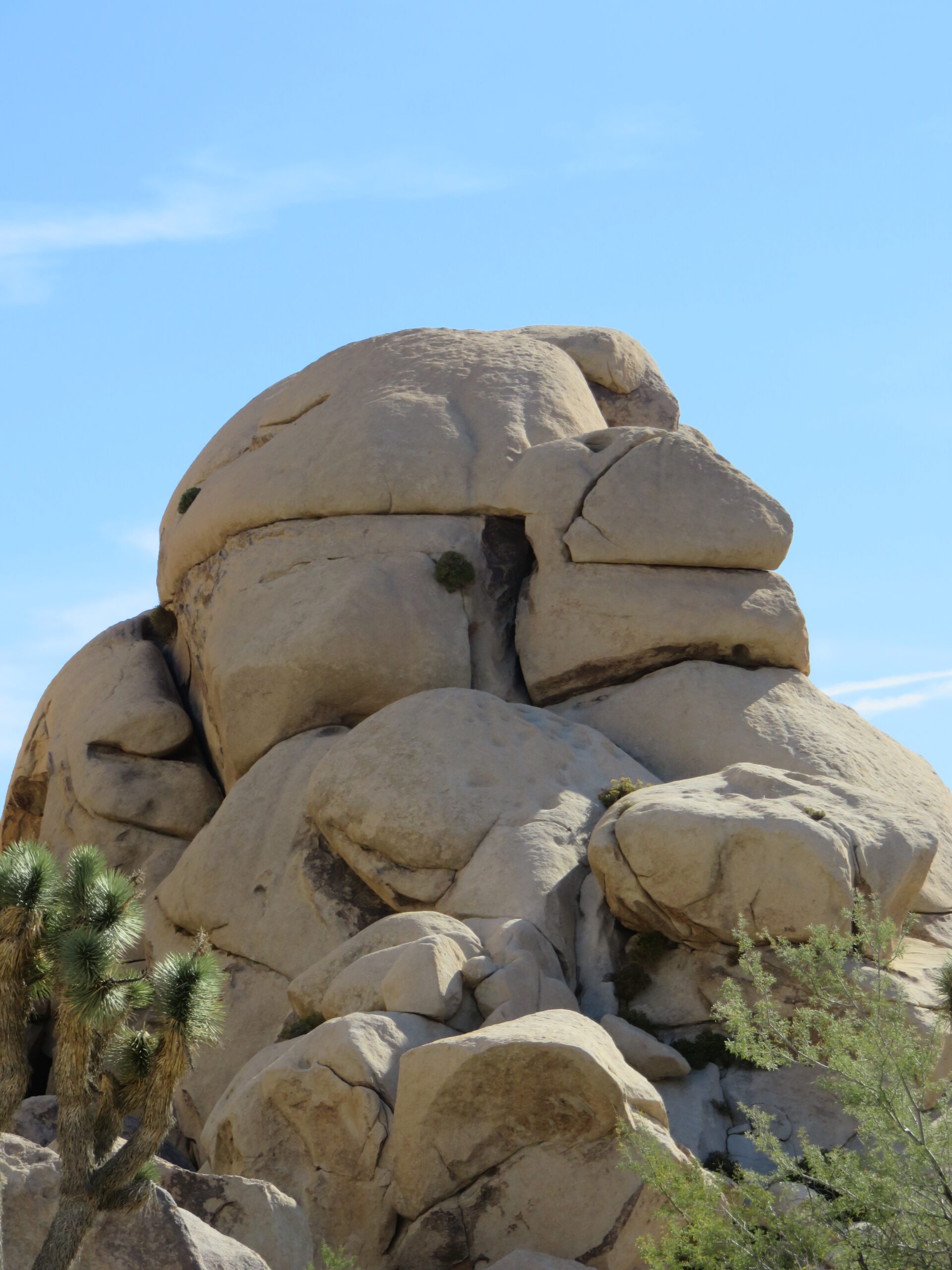 One of their rangers states that the event in question took place in an open desert, a quarter of a mile away. Perhaps. But does it matter? I wondered if the presumably inebriated people could have gotten to the top to perform the final ceremony, so the nearby open desert makes more sense. Yet, it is Cap Rock that was a special place for Gram and the natural place for people to come to pay their respects.
And if a gift is left by a rock, perhaps that says something about the human condition. Hope and despair seem to run in equal measure, but life goes on, and the survivors keep on trying to survive. The music keeps on playing. A few notes last a long time. The ones Gram played endured.
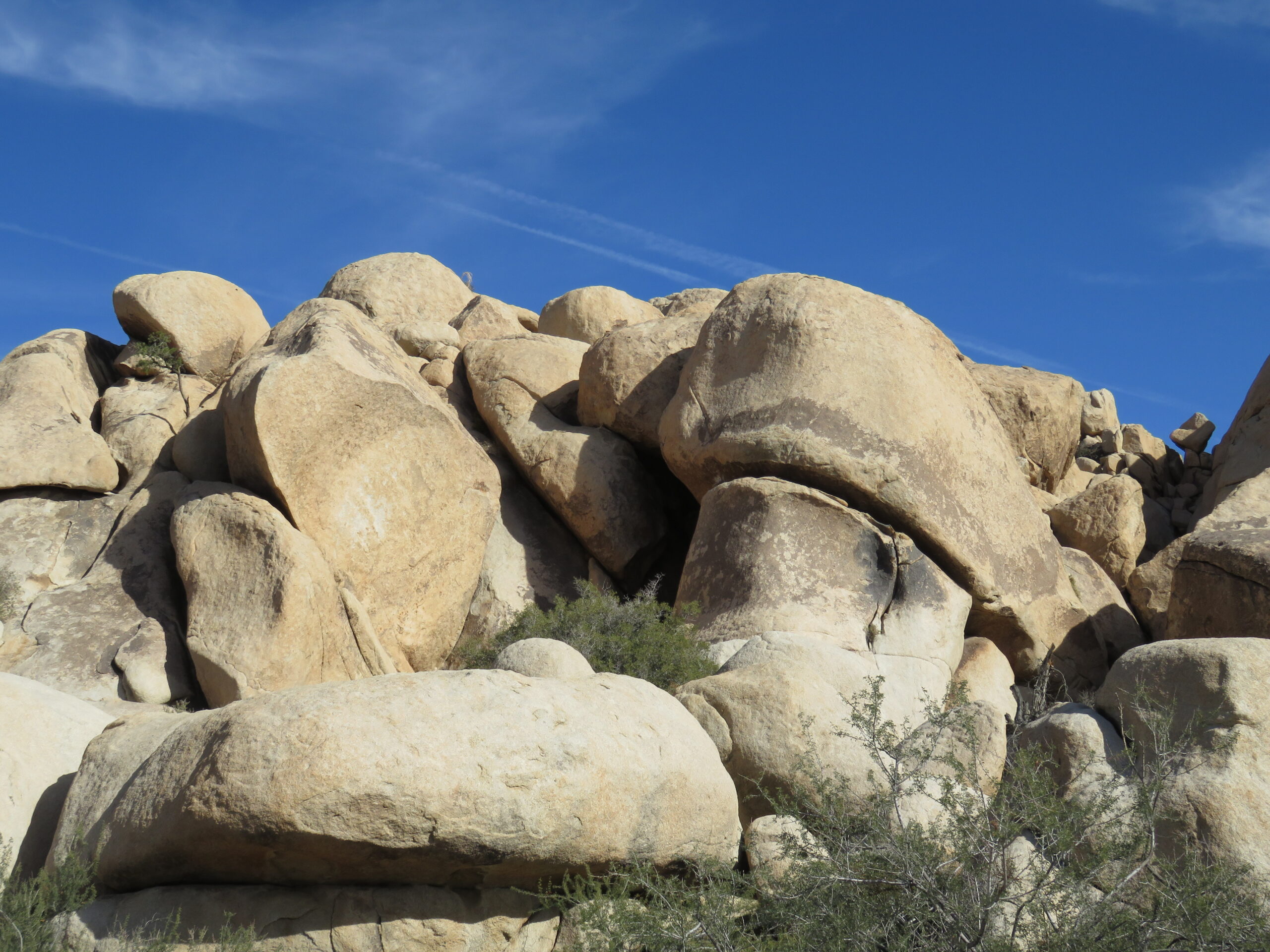
Through it all, the cap rock here holds its secrets well. Do the young children learning how to climb here even know?

11/12/2015[1]Music Credits: Gram Parsons, Hickory Wind; Gram Parsons and Emmy Lou Harris,In My Hour of Darkness. All photos by Geodarts.

Notes
| ↑1 | Music Credits: Gram Parsons, Hickory Wind; Gram Parsons and Emmy Lou Harris,In My Hour of Darkness. All photos by Geodarts. |
|---|